By : Syed Talat Abbas Shah ( X formerly Twitter @TalatLive)
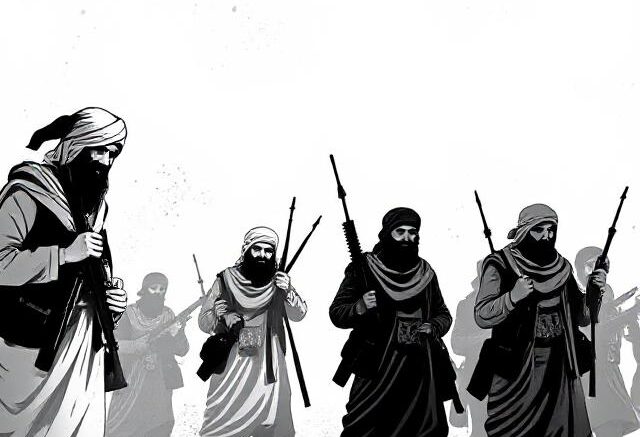
In the complex and often grim calculus of modern terrorism, the dramatic resurgence of the Tehrik-e-Taliban Pakistan (TTP) stands as a masterclass in organizational adaptation. Once thought to be on the brink of collapse after sustained military operations, the group has not only returned but has reinvented itself as a more sophisticated, digitally savvy, and structurally resilient threat. This revival is not a simple twist of fate; it is the result of a “perfect storm” engineered through strategic leadership, a permissive sanctuary, ideological rebranding, and a weaponized digital ecosystem.
Understanding this resurgence requires looking beyond the battlefield to the interplay of factors that have allowed the TTP to defy its own lifecycle.
The TTP’s near-death experience after 2014 was a brutal but effective teacher. The group’s downfall was precipitated by two critical failures: a loosely organized, factional structure and a penchant for indiscriminate violence that turned public sentiment sharply against it, most notably after the 2014 Army Public School massacre.
As detailed in research from the Pakistan Journal of Terrorism Research and Dynamics of Asymmetric Conflict, the ascension of Noor Wali Mehsud in 2018 marked a strategic turning point. Mehsud, an ideologue and author, initiated a top-to-bottom overhaul. He dismantled the old, decentralized model where local commanders held significant autonomy and replaced it with a centralized, hierarchical structure inspired by the Afghan Taliban.
This new “shadow government” features dedicated ministries for defense, finance, and information, a structured judicial system, and a central suicide brigade that must approve all major operations. This shift empowered the central leadership, curbed internal dissent, and brought a new discipline to the group’s operations.
Concurrently, the TTP executed a crucial rebranding of its violence. It issued formal codes of conduct instructing militants to avoid indiscriminate attacks on civilians. The new strategy focuses on “discriminate targeting” primarily of security forces, police, government officials, and Shia Muslims. This shift, while still violent, is tactically astute. It sustains a persistent insurgency, drains state resources, and avoids the public backlash that previously fueled support for large-scale military operations against them.
The single most significant external catalyst for the TTP’s comeback was the Afghan Taliban’s return to power in August 2021. This event provided the group with what every insurgent group craves: a secure rear base. The new regime in Kabul released thousands of TTP fighters from prison and has since refused to act against the group’s sanctuaries on Afghan soil. From these safe havens, the TTP can plan, train, and launch attacks into Pakistan with near impunity. A United Nations report cited by researchers notes the group’s fighting strength has swelled to an estimated 2,500-6,000 militants.
Furthermore, the Taliban’s victory served as a powerful ideological accelerant. The TTP frames its struggle as a parallel project a divine mission to replicate the Afghan Taliban’s Islamic Emirate in Pakistan. The success of their ideological brethren against a superpower has provided an immense morale boost and a potent recruitment narrative, emboldening their campaign.
A critical, yet often underestimated, facet of the TTP’s resurgence is its mastery of the digital domain. Its media wing, Al-Umar Media, has evolved from a rudimentary operation into a sophisticated propaganda machine. Research on TTP’s visual propaganda reveals a deliberate and nuanced communication strategy. Their content is not mere violence-glorification; it is a multi-pronged narrative campaign. Core themes identified include: Portraying TTP fighters as pious implementers of Sharia, shown praying and training in harsh conditions. Framing the Pakistani state and military as apostate puppets of the West, thereby justifying “defensive jihad.” The most potent narrative, which glorifies martyrdom, presenting suicide bombers as heroic “fidayeen” who achieve the ultimate triumph and purpose.
Through a diverse portfolio of magazines, podcasts, video series, and infographics distributed on social media, encrypted apps, and the dark web, Al-Umar Media bypasses traditional gatekeepers to radicalize and recruit directly. This digital ecosystem, as methodological studies in Studies in Conflict & Terrorism suggest, can be mapped not just by URL links but by ideological proximity, creating a resilient and self-reinforcing online community.
Pakistan’s attempts to negotiate with the TTP, mediated by the Afghan Taliban, have repeatedly failed, and for a predictable reason. The group’s core demands reversing the merger of the tribal regions and imposing its version of Sharia are fundamentally irreconcilable with the Pakistani constitution. Engaging in talks, as scholars note, often only provides terrorist groups with legitimacy and time to regroup.
The TTP’s resurgence is a stark lesson in the evolving nature of asymmetric threats. It demonstrates that military force alone cannot eradicate a motivated insurgency that has a safe haven, adaptive leadership, and a powerful digital voice. For Pakistan, the challenge is now multidimensional: it must combat a physical insurgency while simultaneously countering a potent digital propaganda campaign and navigating a fraught diplomatic relationship with a neighbor that harbors its enemies.
The TTP has meticulously studied its past failures and adapted. The question now is whether the state can do the same, crafting a response that is as integrated, agile, and modern as the threat it now faces.
Syed Talat Abbas Shah is an award-winning investigative and digital journalist with over 15 years of experience. As President of Action for Humanity Pakistan and a champion for human rights, gender-based violence advocacy, and climate justice, he fuses deep research with storytelling to make meaningful change. Talat also leads editorial teams across multiple platforms, bringing rigorous reporting and a strong moral voice to underreported issues.




Be the first to comment on "Beyond the Battlefield"