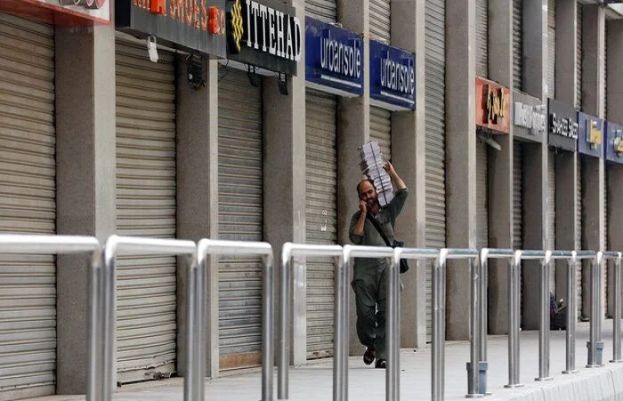
A proposal to impose a nationwide smart lockdown was opposed after provinces disagreed with the move during a high-level meeting of the national leadership chaired by President Asif Ali Zardari in Islamabad, sources told. According to sources, the meeting reviewed the option of enforcing smart lockdowns across the country, but provincial governments disagreed with the proposal and resisted its implementation at a national level. The government deliberated on austerity measures as it grappled with the difficult task of safeguarding livelihoods while managing the economic fallout of rising oil prices triggered by the ongoing Middle East crisis. The participants reaffirmed their commitment to further tighten austerity measures and ensure full implementation of steps aimed at energy and fuel conservation, the sources said. The federal government also urged provinces to contribute to the Rs254 billion relief package, stressing the need for a collective response to the ongoing challenges. A sub-committee comprising provincial finance ministers was formed during the meeting to reassess proposals related to smart lockdowns. The committee is scheduled to meet today to review the recommendations. The sources said the forum agreed that coordinated efforts between the centre and provinces would be essential in navigating the situation, while prioritising economic stability and resource management. The war, launched on February 28 with US and Israeli strikes on Iran, has spread across the Middle East, with Yemen’s Iran-aligned Houthis on Saturday launching their first attacks on Israel since the start of the conflict, raising concern about shipping lanes around the Arabian Peninsula and the Red Sea. Iran’s effective closure of the Strait of Hormuz, which typically carries about a fifth of global oil supply and large numbers of liquefied natural gas tankers, has pushed Brent futures up 59% so far in March, their highest monthly gain ever, while WTI is up 58% this month, the most since May 2020.
Smart lockdown ‘opposed’, provinces disagree on nationwide curbs